

Table of Contents
- Why Senior Dogs Need Natural Joint Supplements
- Glucosamine and Chondroitin for Dogs: What the Evidence Shows
- Turmeric for Dog Joint Health: Benefits and Limits
- How Long Do Dog Joint Supplements Take to Work?
- Joint Supplement Safety for Senior Dogs
- How to Choose Natural Joint Supplements for Senior Dogs
- Conclusion
- Frequently Asked Questions
Last Updated: October 13, 2026
Why Senior Dogs Need Natural Joint Supplements
Natural joint supplements for senior dogs support mobility, comfort, and long-term joint function using ingredients like glucosamine, omega-3 fatty acids, and turmeric instead of prescription drugs.

Aging changes joints. Cartilage that once cushioned every step thins over time, and the synovial fluid that lubricates the joint can lose some of its shock-absorbing quality.
This is where nutritional support comes in. While no supplement reverses joint degeneration, certain ingredients can support normal joint function and help maintain comfort day to day.
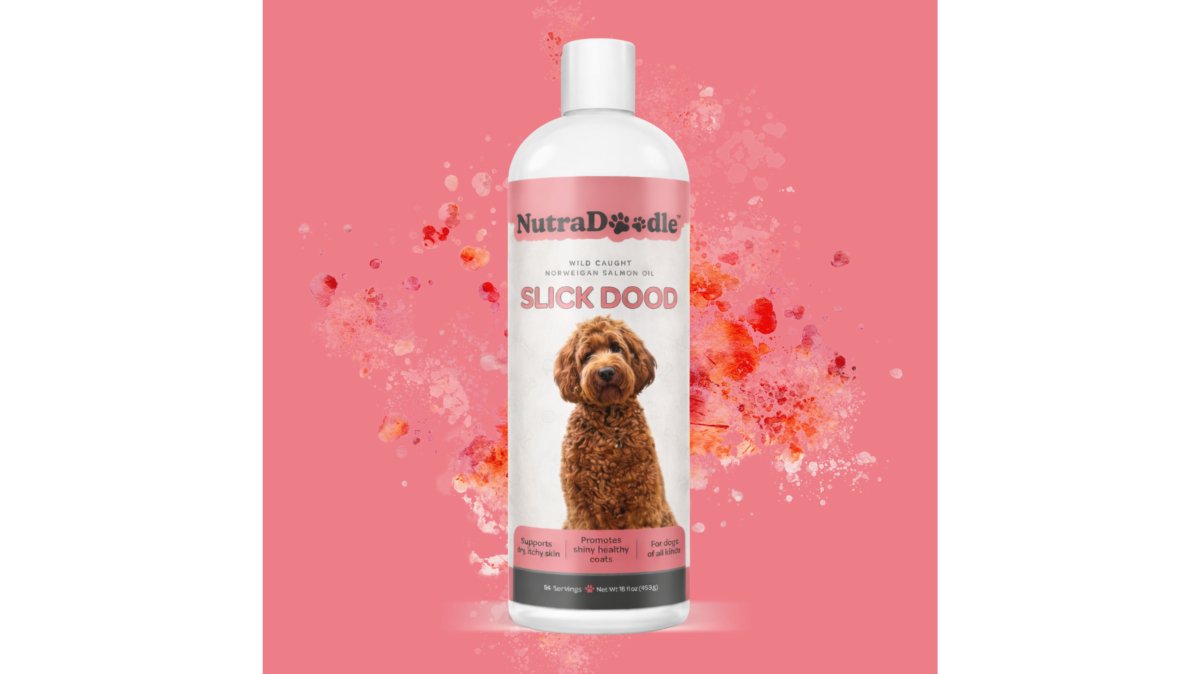
At NutraDoodle™, we built our joint line around this exact problem: senior dogs who need real support, not marketing. Here is what actually matters when you are choosing.
Glucosamine and Chondroitin for Dogs: What the Evidence Shows
Glucosamine and chondroitin are the two most studied joint-support ingredients for dogs, and they remain the foundation of most joint supplements. Glucosamine is a building block the body uses in cartilage; chondroitin helps cartilage hold water and stay elastic. Together they are used to support joint structure and normal joint function.
The honest picture: results vary, and the evidence is mixed rather than dramatic. Many veterinarians still recommend them because they are generally well tolerated and may help over time, particularly in early or moderate cases. What most guides miss is that dose and source matter as much as the ingredient name on the label.
A few practical points:
- Look for a named source of glucosamine, not just "glucosamine complex"
- Chondroitin is often underdosed in cheap products, so check the actual amount
- Combination formulas that pair these with MSM and omega-3s tend to be more useful than single-ingredient products
Cornell University College of Veterinary Medicine on osteoarthritis in dogs
Turmeric for Dog Joint Health: Benefits and Limits
Turmeric is one of the most popular natural joint ingredients for senior dogs, and its active compound, curcumin, is studied for supporting a normal inflammatory response.
What the evidence actually shows. Most of the research on curcumin comes from laboratory work and human trials, not from controlled studies in dogs. The findings are generally described as promising but preliminary, and results in people do not automatically transfer to dogs because absorption, metabolism, and dosing differ.
Why absorption is the whole story. Plain turmeric powder from your kitchen is poorly absorbed, most of it passes through without being used. Curcumin is also fat-soluble and breaks down quickly in the gut. Formulators work around this in a few ways:
- Pairing curcumin with black pepper extract (piperine), which can substantially increase how much is absorbed
- Using a phospholipid or micellar delivery format designed to improve uptake
- Choosing a standardized extract that states the actual curcuminoid percentage, rather than listing "turmeric root" with no amount
If a product lists turmeric but no curcuminoid amount, you cannot judge whether the serving is meaningful. That is the single most useful thing to check on a label.
Practical dosing and form. There is no single official canine dose for curcumin, and amounts vary widely between products. A common pattern practitioners follow is to start at the low end of the label's weight-based serving size and increase slowly only if the dog tolerates it.
Who should skip it. Turmeric is not right for every senior dog. Be cautious or avoid it if your dog:
- Takes blood-thinning medication or has a bleeding disorder
- Has gallstones, bile-duct issues, or a history of liver disease
- Has iron-deficiency concerns, since curcumin can affect iron absorption
- Has a sensitive stomach that reacts to new ingredients
Where it fits in the plan. Treat turmeric as a supporting ingredient, not the foundation. If you want to try it, choose a dog-specific product with a stated curcuminoid amount and a clear serving size, introduce it slowly, and judge it over the same eight-week window you would use for any other joint ingredient. If you see no change, dropping it is a reasonable decision, not a failure.
How Long Do Dog Joint Supplements Take to Work?
Most dog joint supplements take four to eight weeks of consistent daily use before you see meaningful changes. Some owners notice small improvements sooner, but joint tissue changes slowly, and supplements support that process rather than triggering it overnight.
Step 1: Set a baseline before you start. Pick a quiet day and score your dog on the same five things, using a simple 1-to-5 scale where 1 is "struggles" and 5 is "no problem":
- Rising from a resting position on the floor
- Going up and down stairs
- Getting into and out of the car
- Willingness and distance on a normal walk
- Willingness to play or engage in the evening
Write the scores down and date them. Memory is unreliable for gradual change, and a written baseline is what turns a vague impression into evidence.
Step 2: Check in at four and eight weeks. Re-score the same five items on a similar day, at a similar time, after similar activity. Look for direction of change rather than a single number.
Step 3: Know when to stop. If you see no change after eight weeks at the correct weight-based serving size, that product is probably not the right fit for your dog. Stop it, note the result, and discuss alternatives with your veterinarian.
Step 4: Know when to call the vet instead of adjusting the supplement. Supplements are not a substitute for veterinary care. Contact your veterinarian promptly if you notice:
- Sudden worsening of lameness or an inability to bear weight on a limb
- Crying, panting, or restlessness at night that seems pain-related
- Loss of appetite, vomiting, or diarrhea that persists
- Weakness, collapse, or a change in behavior
- Any new symptom that appears shortly after starting a new product
Step 5: Reassess the whole plan, not just the pill. Weight, exercise, and home setup often move the needle more than any single ingredient.
A realistic expectation to hold onto. Individual results vary, and a supplement that helps one dog may do little for another. The goal is not a dramatic transformation, it is a measurable, sustained improvement in daily comfort and function, confirmed by your own records and, ideally, by your veterinarian. If you cannot point to that, the honest answer is that the product is not earning its place in your dog's routine.
Joint Supplement Safety for Senior Dogs
Joint supplement safety for senior dogs comes down to three things: correct dosage, ingredient quality, and awareness of your dog's other health conditions. Natural does not automatically mean safe, and senior dogs often have kidney, liver, or heart issues that change what they can tolerate.
Talk to your veterinarian before starting any supplement, especially if your dog takes medication. Glucosamine can interact with blood thinners, and some herbs affect how the body processes other drugs (Potential glucosamine-warfarin interaction resulting in increased international...). Bring the actual label so your vet can see the ingredient amounts, not just the front of the bottle.
Watch for these red flags:
- Digestive upset, vomiting, or loose stools after starting
- Changes in appetite or energy
- Any new lethargy or behavioral change
Stop the supplement and call your vet if any of these appear. Also be cautious with products that list "proprietary blends" without amounts, since you cannot judge the dose.
FDA Center for Veterinary Medicine on pet supplements
How to Choose Natural Joint Supplements for Senior Dogs
Choosing well comes down to label transparency, ingredient amounts, and fit with your dog's specific needs. Price is a poor proxy for quality, and the flashiest packaging often hides the weakest formula.
Use this checklist before you buy:
- Are glucosamine and chondroitin listed with exact milligram amounts?
- Does the formula include MSM, omega-3s, or hydrolyzed collagen for broader joint support?
- Is there a named source for key ingredients, or vague "blends"?
- Is the product made for dogs, with a weight-based serving size?
- Does the label avoid fillers and unnecessary additives?
- Can you find the manufacturer and where it is made?
Here is how the main ingredient types compare:
| Ingredient | What It Supports | Typical Role | Watch For |
|---|---|---|---|
| Glucosamine | Cartilage and joint structure | Foundation ingredient | Underdosed formulas |
| Chondroitin | Cartilage elasticity | Pairs with glucosamine | Low amounts on label |
| MSM | Comfort and normal joint function | Supporting ingredient | Sensitivity in some dogs |
| Omega-3s | Joints, skin, coat, heart, brain | Daily nutritional support | Rancid or low-quality oil |
| Turmeric | Normal inflammatory response | Supporting role | Poor absorption, stomach upset |
Our Mobile Dood Soft Chew combines hydrolyzed collagen, glucosamine, chondroitin, MSM, omega-3s, and vitamin C in a daily soft chew, which covers the foundation and supporting ingredients in one product. The Slick Dood Salmon Oil adds omega-3 fatty acids from wild-caught salmon as an easy food topper, useful if your dog already takes a joint chew and you want extra nutritional support for skin, coat, and joints. Both are made with human-grade ingredients and no fillers.

Match the format to your dog. Picky eaters usually do better with a flavored soft chew than a powder, and dogs with sensitive stomachs often tolerate a simple oil topper well. Start with one product, give it the full eight weeks, and add a second only if you see a reason to.
Conclusion
Watching a dog slow down is hard, and the supplement aisle does not make the decision easier. Start with your veterinarian, choose a formula with clear amounts and no fillers, and give it a real eight-week trial before judging the results.
At NutraDoodle™, we make that choice simpler with human-grade ingredients, no fillers, and formulas developed in partnership with top pet nutritionists, all sourced and manufactured in the USA. Our Mobile Dood Soft Chew supports healthy hips, joints, and mobility, while Slick Dood Salmon Oil adds omega-3 support for joints, skin, coat, heart, and brain. Get started with NutraDoodle™ and give your furry companion the effective, delicious wellness solutions they deserve.
Frequently Asked Questions
Are natural joint supplements safe for senior dogs?
Most natural joint supplements are safe when given at the correct dosage, but senior dogs often have underlying health conditions or take medications. Always consult your veterinarian before starting any supplement. Look for products with transparent labels and no fillers. Introduce one new ingredient at a time and monitor for digestive upset, changes in behavior, or allergic reactions. If your dog has kidney or liver issues, certain ingredients may not be appropriate.
How long do dog joint supplements take to work?
Most joint supplements take 4 to 6 weeks to show noticeable improvement, though some dogs respond in 2 weeks and others may need up to 8 weeks. Glucosamine and chondroitin build up in the body gradually, so consistency matters more than a single large dose. Keep a simple daily log of your dog's mobility, stiffness after rest, and willingness to climb stairs. If you see no change after 8 weeks, talk to your vet about adjusting the formula or dosage.
Can senior dogs take glucosamine and chondroitin?
Yes, glucosamine and chondroitin are commonly given to senior dogs to support joint structure and comfort. These ingredients are generally well-tolerated, but senior dogs may have reduced kidney function, so your veterinarian should confirm the right amount. Choose a product that lists exact amounts per chew, not just a proprietary blend. Monitor for loose stools or vomiting when starting, and reduce the dose if needed.
How do I choose a joint supplement for my senior dog?
Start by checking the label for specific ingredient amounts, not just a long ingredient list. Look for glucosamine, chondroitin, MSM, and omega-3s in amounts backed by veterinary research. Avoid products with fillers, artificial preservatives, or vague terms like 'joint support blend.' Consider your dog's weight, other health conditions, and whether they are picky about taste. Soft chews and liquids are easier for seniors with dental issues. Ask your vet before combining multiple supplements.